

Museo da Pesca is a museum about Galician fishing methods and the work of fishers, inside Castelo de San Carlos in Finisterre. Its collection brings together practical gear, boatbuilding tools and explanations of the traditions and occupations tied to fishing.
- Location: Praza de América, in the parish of Fisterra (Santa María).
- What it covers: Fishing methods, boats, fishing communities and related work.
- Hours: Open Tuesday to Sunday; closed Monday
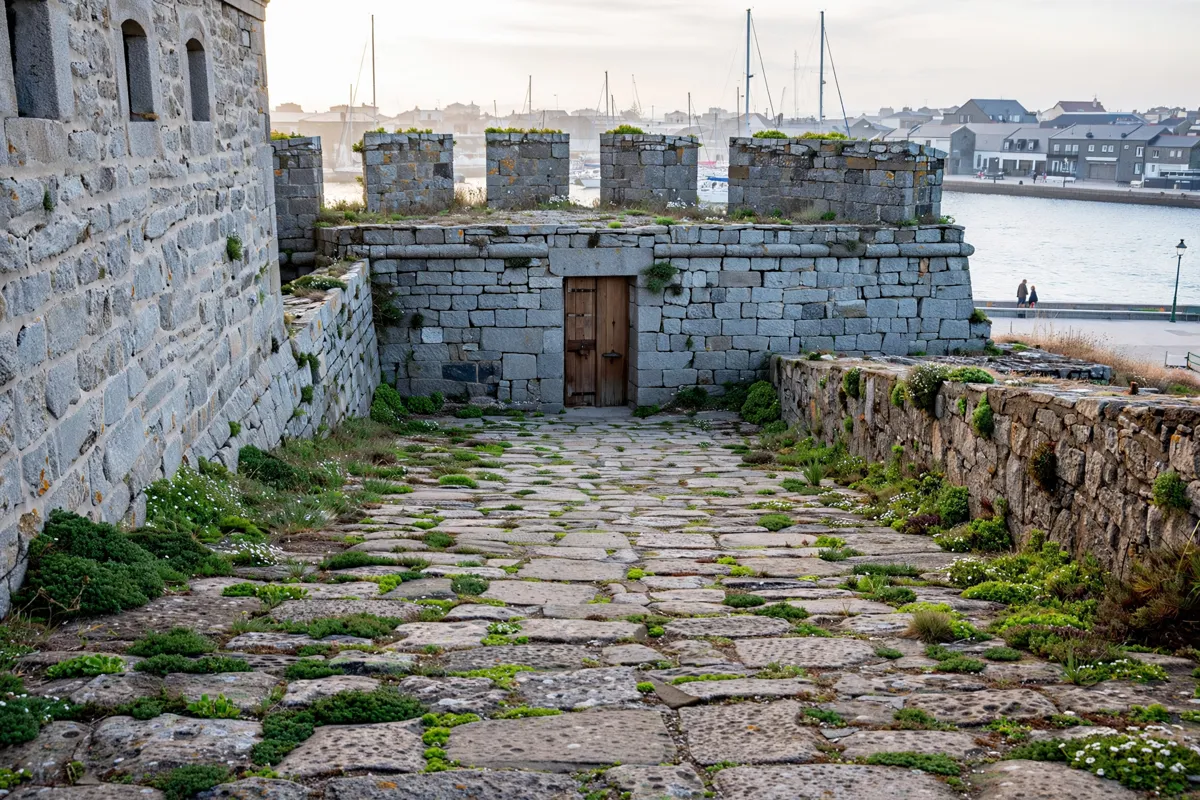
Where Museo da Pesca is located
Museo da Pesca stands at Praza de América s/n in Fisterra, within the historic Castelo de San Carlos. The Concello de Fisterra gives the museum’s coordinates as 42º 54′ 16.2″ N, 9º 15′ 39.0″ W.
The museum’s setting puts its subject in context: this is a coastal town where fishing has shaped work and community life. The Concello describes the museum as an exhibition space about Galician fishing methods and an interpretation centre recognizing fishers’ work.
What does the collection explain about fishing and seafaring?
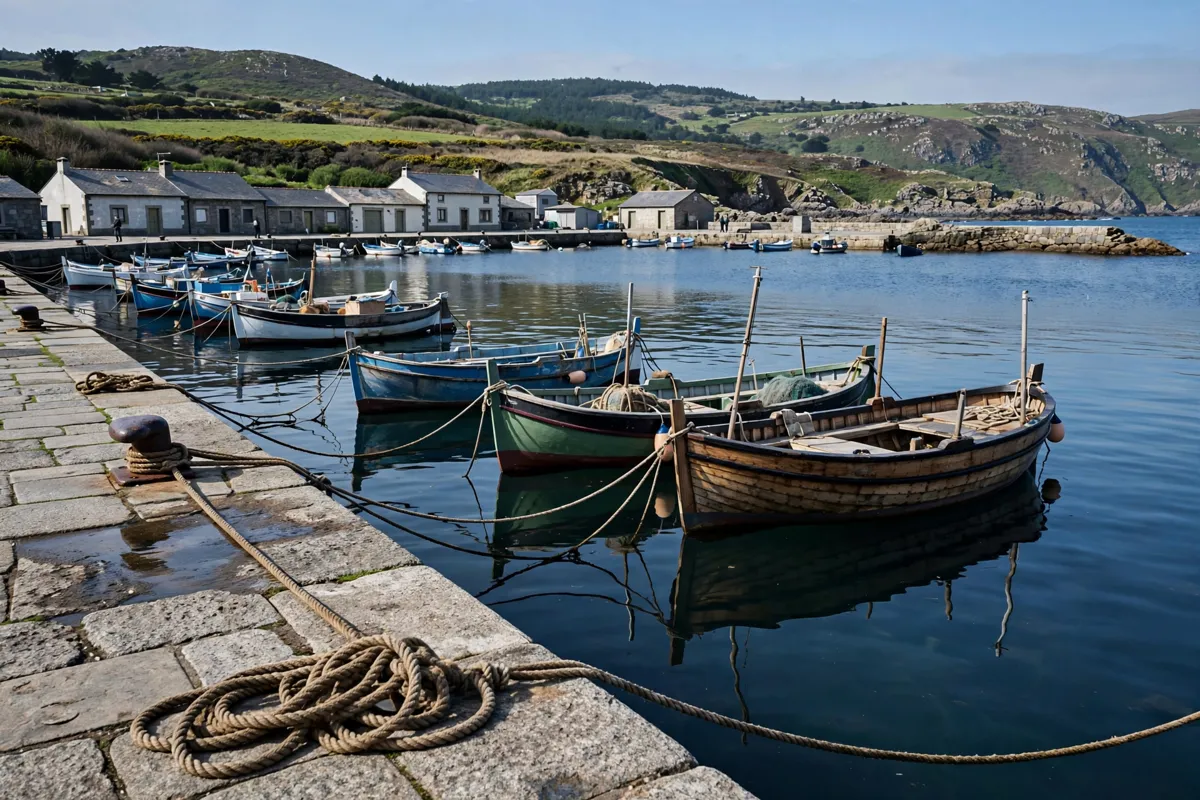
The collection explains fishing through the tools, techniques and livelihoods connected to the sea. Fishing gear includes French lobster pots, rañas, squid jigs, net-tying needles, a scythe and a hook, alongside tools used in boatbuilding.
Models in display cases show methods such as conger-eel hooks, pots and xávega nets. Thirteen information panels broaden the story, covering Galician fishing history, fishing villages and houses, boats, fishing methods, traditional and industrial canning, and occupations linked to fishing.
Together, these elements give you several ways to follow the subject: from the equipment used to catch seafood to the boats and processing work that formed part of the trade.
How does Museo da Pesca relate to Castelo de San Carlos?
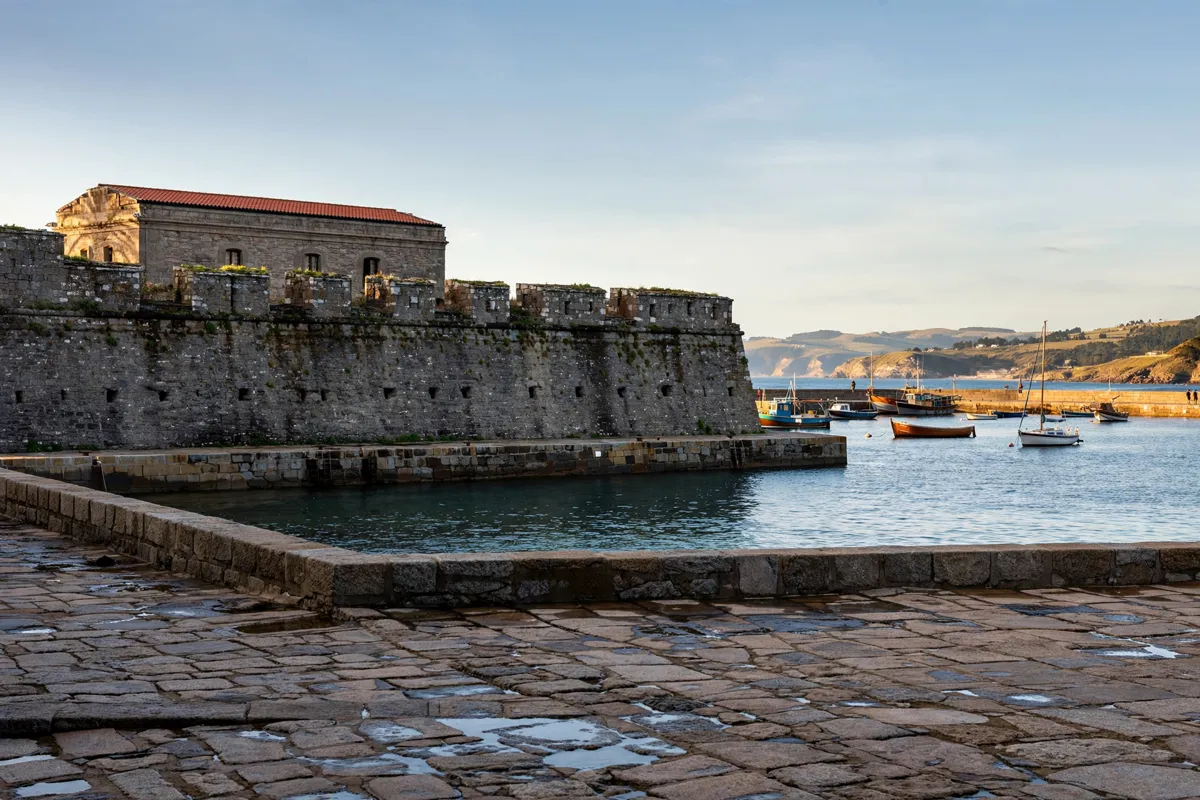
Museo da Pesca occupies Castelo de San Carlos, an 18th-century coastal defensive fort built to protect against English and French privateers. The museum’s interpretation of fishing now sits within a structure created for coastal defence.
If you want to focus on the fort as well as the museum, what to see at Castelo de San Carlos gives the historic setting its own short-visit context.
What should you check before visiting?
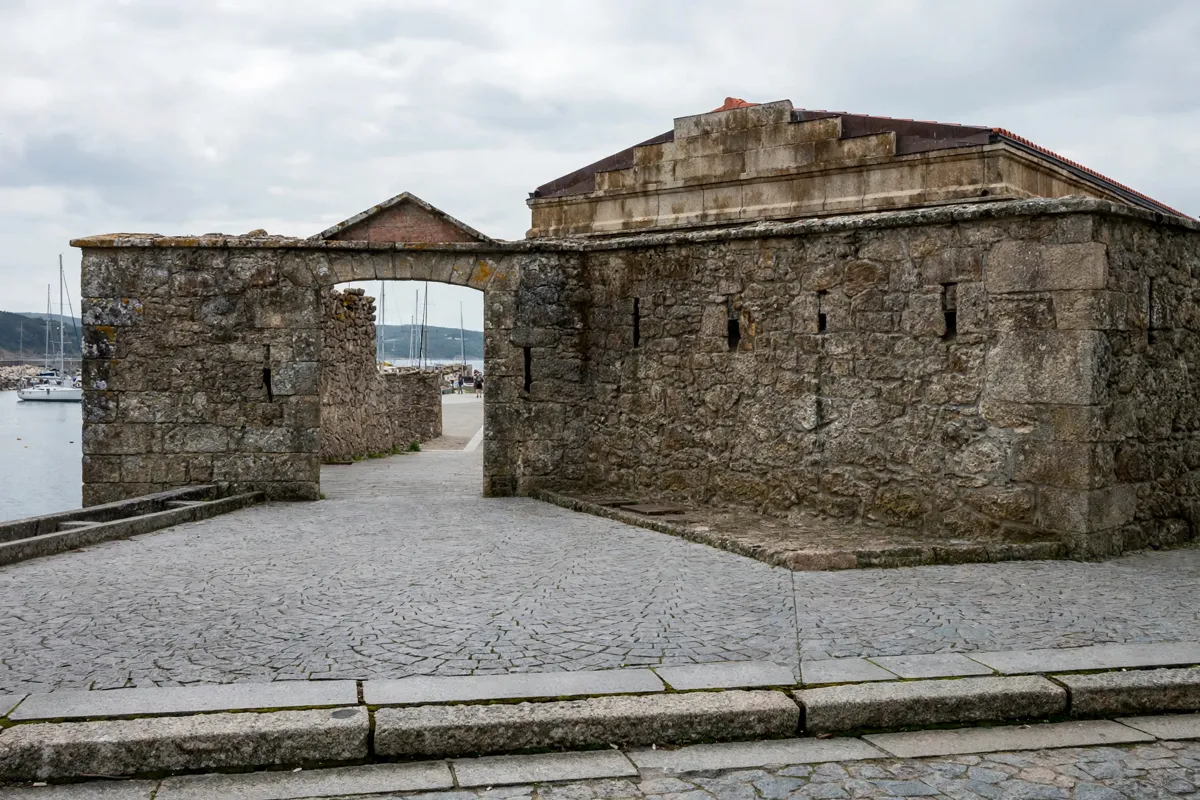
The Concello de Fisterra provides the hours shown above, but its museum page does not give a seasonal schedule or admission price. Check the official site before you go, especially if you are planning around a particular day or time.
Opening hours
- Tuesday to Saturday: 11:00–14:00 and 16:00–18:00
- Sunday: 11:00–14:00
- Monday: closed
Last checked November 2026. Hours can change on holidays and for special events.
The Concello’s museum page also does not publish accessibility details or visitor rules. For questions about a visit, it gives the telephone number 600 965 809 and the email addresses turismo@concellofisterra.gal and museodapesca@concellofisterra.gal.
What can you combine with the museum?
The Concello’s tourism page names Faro de Fisterra and the Fisterra fish market, or Lonja de Fisterra, among local attractions. The fish-market auction takes place Monday to Friday at 16:30; visits can be arranged by prior consultation with the fishers’ association.
If you are extending the outing to the cape, what to see at Cabo Fisterra covers the headland and getting there.
Museo da Pesca is about 0.4 km from Hotel Áncora Finisterre, around 6 minutes on foot.
For a route that links local stops on foot, how to follow a one-day walking route through Finisterre can help you plan the wider town visit.
FAQs
What is Museo da Pesca about?
It interprets Galician fishing methods and the work of fishers through gear, boatbuilding tools, models and information panels.
Is Museo da Pesca inside a castle?
Yes. The museum is inside Castelo de San Carlos, an 18th-century coastal fort.
Does the museum publish an admission price?
The Concello de Fisterra’s museum page does not give an admission price, so check with the Concello before planning your visit.